
Global Shading Day 2026: Why Shading Matters More Than Ever

Every year on the 21st March, Global Shading Day puts a spotlight on a simple idea with a powerful impact: how we manage sunlight in our buildings matters more than ever.
But in 2026, this isn’t just about awareness. It’s about action.
With rising temperatures, increasing energy costs, and growing demand for smarter buildings, shading is no longer a “nice to have”; it’s becoming essential.

Why Shading Matters More Than Ever
Buildings are under pressure. Across Europe, demand for cooling is rising rapidly, and overheating is becoming a real issue, even in countries like the UK.
Shading offers a solution that’s both simple and highly effective:
It reduces solar heat gain before it enters the building
It lowers reliance on energy-intensive air conditioning
It supports more stable, comfortable indoor environments
As a passive cooling strategy, shading works without consuming vast amounts of energy, making it one of the most efficient ways to manage indoor climate.
Real-World Evidence: Shading That Delivers
The impact of shading isn’t just theoretical; it’s backed by real-world data.
The UK Government’s Warm Homes Plan highlights how effective even simple shading solutions can be in reducing indoor temperatures.
In a London flat case study referenced in the report:
Internal blinds reduced indoor temperatures by 9–13°C
While external shading delivered the greatest overall cooling effect, internal blinds achieved nearly three-quarters of the total benefit
This is a powerful insight. It shows that even non-invasive, cost-effective solutions like internal blinds can make a significant difference, particularly in existing homes where major upgrades aren’t always practical.
In many cases, it’s one of the quickest and most effective ways to improve comfort, without increasing energy use.
The Role of Shading in Energy Efficiency
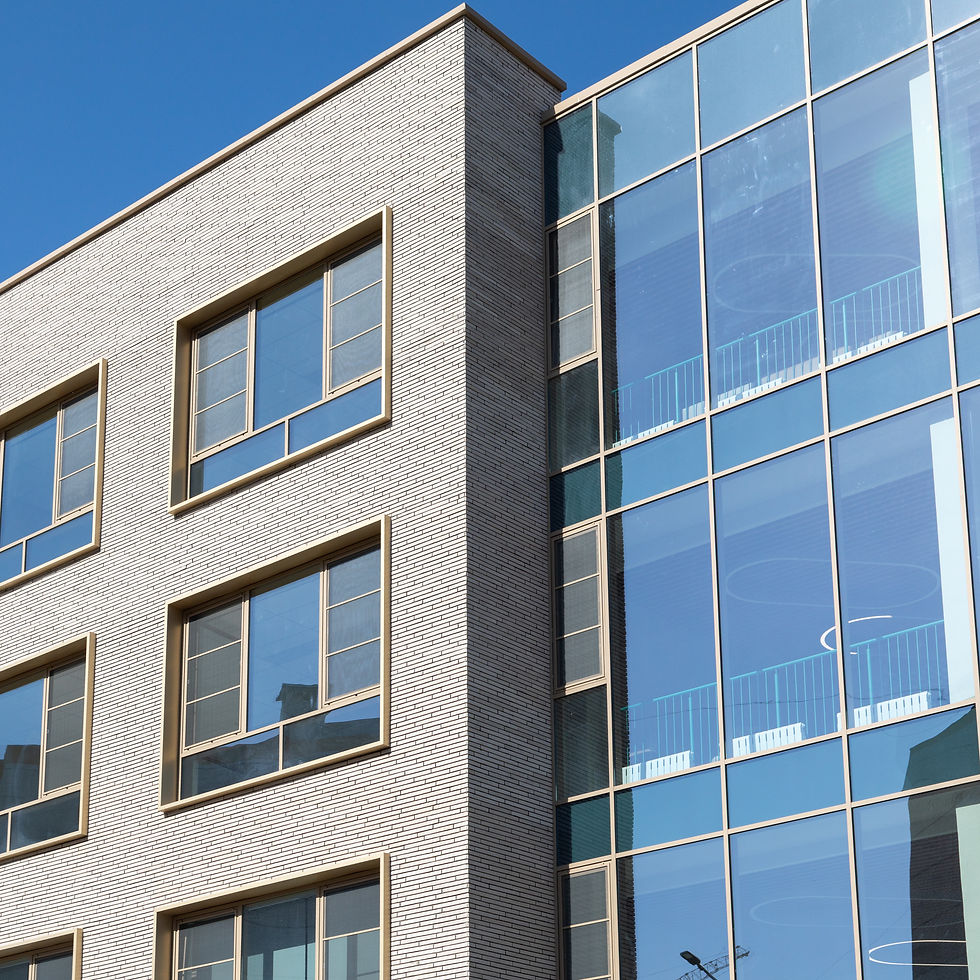
Energy efficiency is no longer just about insulation or heating systems.
It’s about managing the building as a whole.
Shading plays a critical role by:
Preventing overheating in summer
Reducing heat loss in winter
Lowering overall energy consumption
Comfort, Wellbeing, & Productivity
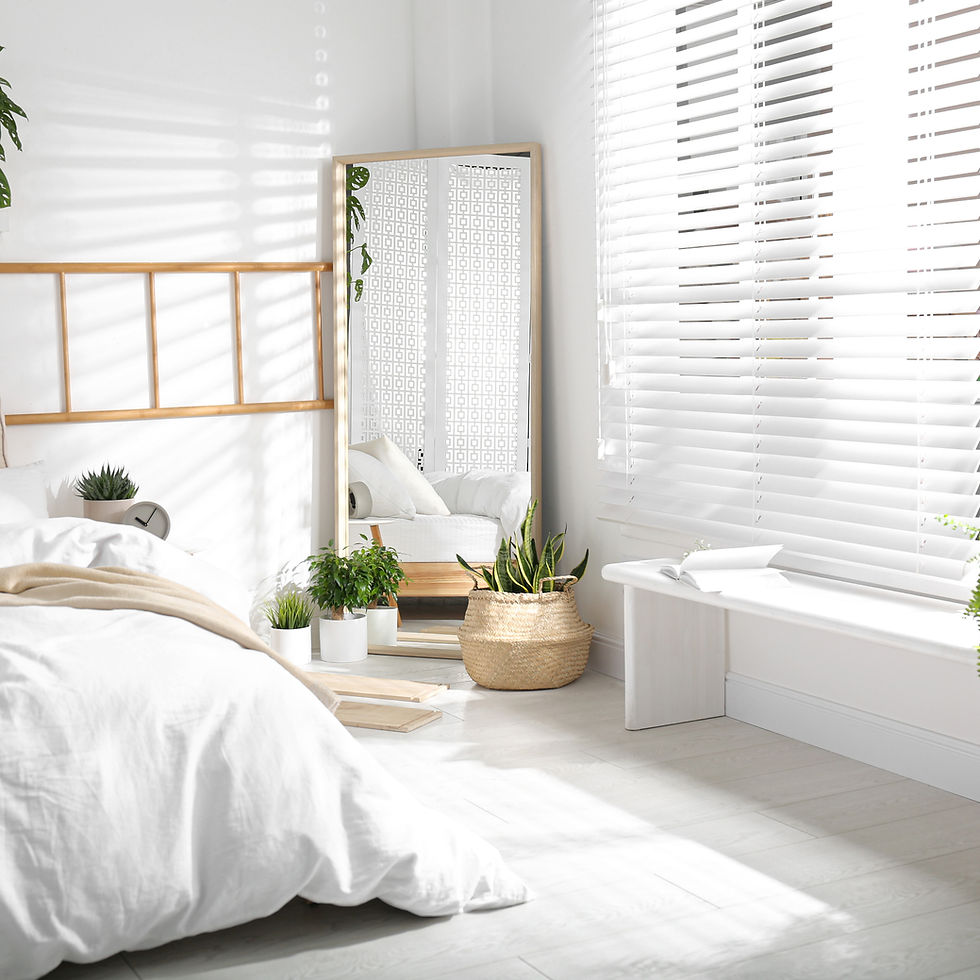
Shading isn’t just about energy; it’s about people.
Small improvements in indoor climate can have a measurable impact.
A well-shaded space:
Reduces glare
Maintains comfortable temperatures
Improves light control
Enhances privacy

Shading as a Climate Solution
As climate challenges accelerate, the focus is shifting towards low-energy, scalable solutions.
Shading offers a practical way forward:
Passive and energy-efficient
Cost-effective to implement
Suitable for both new builds and retrofits
What This Means for the Industry
For installers and manufacturers, the opportunity is clear...
Shading is moving from:
A finishing touch ➡️ to a core building system
Manual operation ➡️ to smart, connected solutions
Customers are no longer just asking for blinds...
They’re asking for:
Energy efficiency
Smart integration
Future-ready products
From Manual to Automated: Maximising Solar Shading Performance

While manual blinds can deliver clear comfort benefits, their effectiveness often depends on occupant behaviour, remembering to open and close them at the right time, every day.
In reality, that level of consistency is difficult to maintain.
And when it comes to solar shading, timing matters.
To effectively reduce solar gain and prevent overheating, blinds need to be positioned before peak sunlight enters the space, not after the room has already warmed up.
This is where smart integration makes a measurable difference. When connected via Ellard’s Home Hub, automated blinds can be controlled centrally and programmed to operate in a predictable, repeatable way, ensuring solar shading works as intended, every day.
Using the Home Hub, automated blinds can be:

Scheduled by time of day, aligning with sunlight patterns and daily routines
Grouped and controlled centrally, rather than individually
Adjusted remotely, allowing users to respond to changing conditions even when away
By removing the reliance on manual operation, automation ensures blinds are used proactively rather than reactively. Ultimately, automated systems allow blinds to deliver their full potential as a passive solar control solution, improving comfort and efficiency without relying on occupants to act at exactly the right moment.
If you’d like to learn more about Ellard’s solutions and how they support effective solar shading, get in touch with our team today at sales@ellard.co.uk or give us a call at 0161 945 4561.


